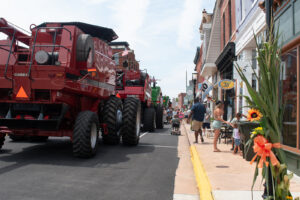
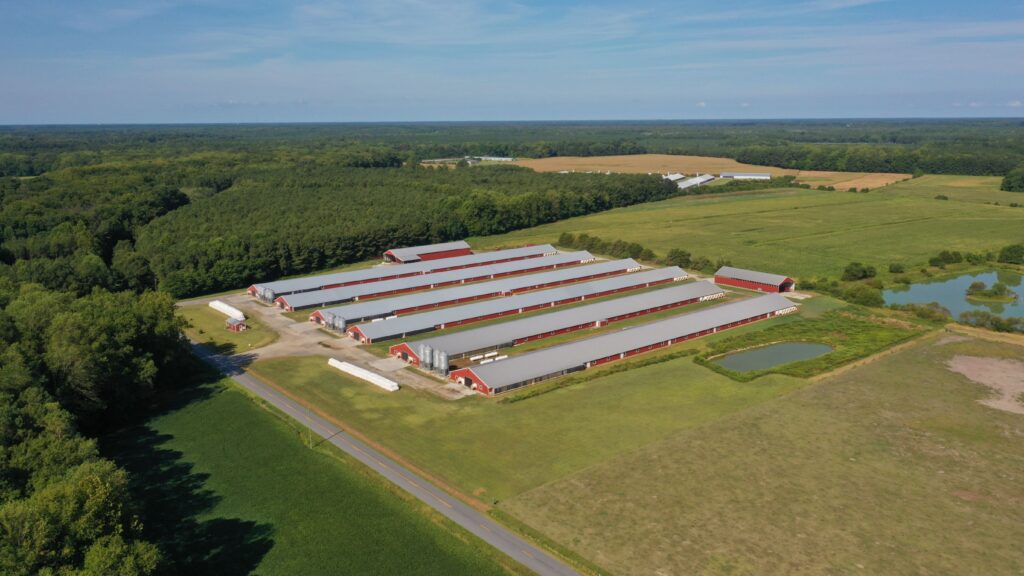
In Worcester County, Maryland, agriculture is not a seasonal backdrop or a legacy footnote. It is a living economic system that supports jobs, supply chains, land stewardship, and long-term resilience.
As April arrives, farms across the county enter one of the most consequential periods of the year. Fields are prepared, livestock operations adjust for the growing season, seasonal workers are hired, and capital decisions are made. At the same time, land use and policy discussions unfolding at the state and local level will shape whether this system remains viable for decades to come.
This convergence of preparation and policy makes spring a critical moment for Worcester County’s agricultural economy.
A Core Economic Engine, Not a Niche Industry
Worcester County remains one of Maryland’s most agriculturally significant regions. Stretching from Delaware to Virginia, it is the state’s only Atlantic coastal county, with fertile soils, abundant timber, and access to coastal waters that have supported agriculture since colonial times. According to the University of Maryland Extension and the USDA Census of Agriculture, more than 370 farms operate across over 100,000 acres in Worcester County, with approximately 92 percent classified as family-owned.
Agriculture is second only to tourism in sustaining the local economy. Poultry production remains a cornerstone, with Worcester County ranking among Maryland’s leading broiler-producing counties. Grain crops, including corn, soybeans, and wheat, support both poultry operations and regional food systems, while forestry and timber continue to contribute jobs and economic output across the Lower Eastern Shore.
According to the USDA Census of Agriculture (2022), the total value of agricultural products sold in Worcester County exceeded $289 million. Average market value per farm continues to rise, reflecting increased productivity alongside rising costs for seed, fertilizer, fuel, and labor.
Land Is the Limiting Factor
While production and efficiency have improved, land remains the most constrained resource for agriculture. Once farmland is fragmented or converted to non-agricultural use, it rarely returns to production. Development pressure increases operating costs for farmers and introduces land-use conflicts that undermine long-term viability.
Worcester County has taken a proactive approach to long-term land protection through zoning, preservation programs, and conservation easements. More than 11,000 acres of farmland and forest are protected through the Maryland Agricultural Land Preservation Foundation (MALPF) as well as Rural Legacy programs, land trusts, and state ownership. These programs permanently restrict subdivision and non-agricultural development while allowing land to remain privately owned and actively farmed.
Recent conservation efforts, including the permanent protection of Queponco Farms near Berlin, demonstrate how preservation supports both agricultural continuity and environmental outcomes within sensitive watersheds like Newport Bay, as reported by Ocean City Today.
Preservation is not simply a conservation measure. It is an economic strategy that maintains scale, protects supply chains, and supports industries such as poultry and grain production that depend on contiguous working land.
Policy Decisions and Emerging Pressures
This spring, agriculture is also part of a broader policy conversation. Legislation under consideration in the 2026 Maryland General Assembly touches on zoning authority, land use, workforce policy, and renewable energy development, including the placement of solar facilities on rural land.
As Maryland advances renewable energy goals, counties like Worcester are navigating how to balance clean energy expansion with the protection of prime agricultural soils. Local officials have expressed concern that certain proposals could reduce county authority over land use decisions or increase pressure on farmland without adequate safeguards, according to recent regional reporting by Ocean City Today, DelmarvaNow, and CoastTV.
These discussions are ongoing and complex. What remains clear is that not all land serves the same economic function, and decisions made today will shape the county’s working landscape for generations.
Where Agritourism Fits
Agritourism plays an important but supporting role within Worcester County’s agricultural economy.
Farmers’ markets, seasonal events, educational tours, and on-site retail allow farms to diversify income, manage risk, and reinvest in their operations. According to the USDA Census of Agriculture, value-added activities and direct-to-consumer sales continue to grow nationwide, reflecting farmer adaptation and consumer demand.
These activities also support seasonal employment and strengthen connections between residents, visitors, and local producers. Rather than replacing traditional agriculture, agritourism helps sustain it by keeping land in production and ownership local.
Why April Matters
Spring is a season of preparation, not peak activity. The work happening now, planting, hiring, investing, and planning, lays the foundation for the year ahead. At the same time, land use and policy decisions being debated this spring will influence how much farmland remains available for production in the future.
Supporting Worcester County’s agricultural economy is not about preserving the past. It is about sustaining an industry that anchors the county’s economy, supports jobs, protects natural resources, and maintains balance between rural and coastal growth.
As April unfolds, the fields may appear quiet. In reality, the decisions being made, both on farms and in policy rooms, will shape Worcester County’s working landscape for years to come.